
What makes salsa orchestras unique at Luna Latina?
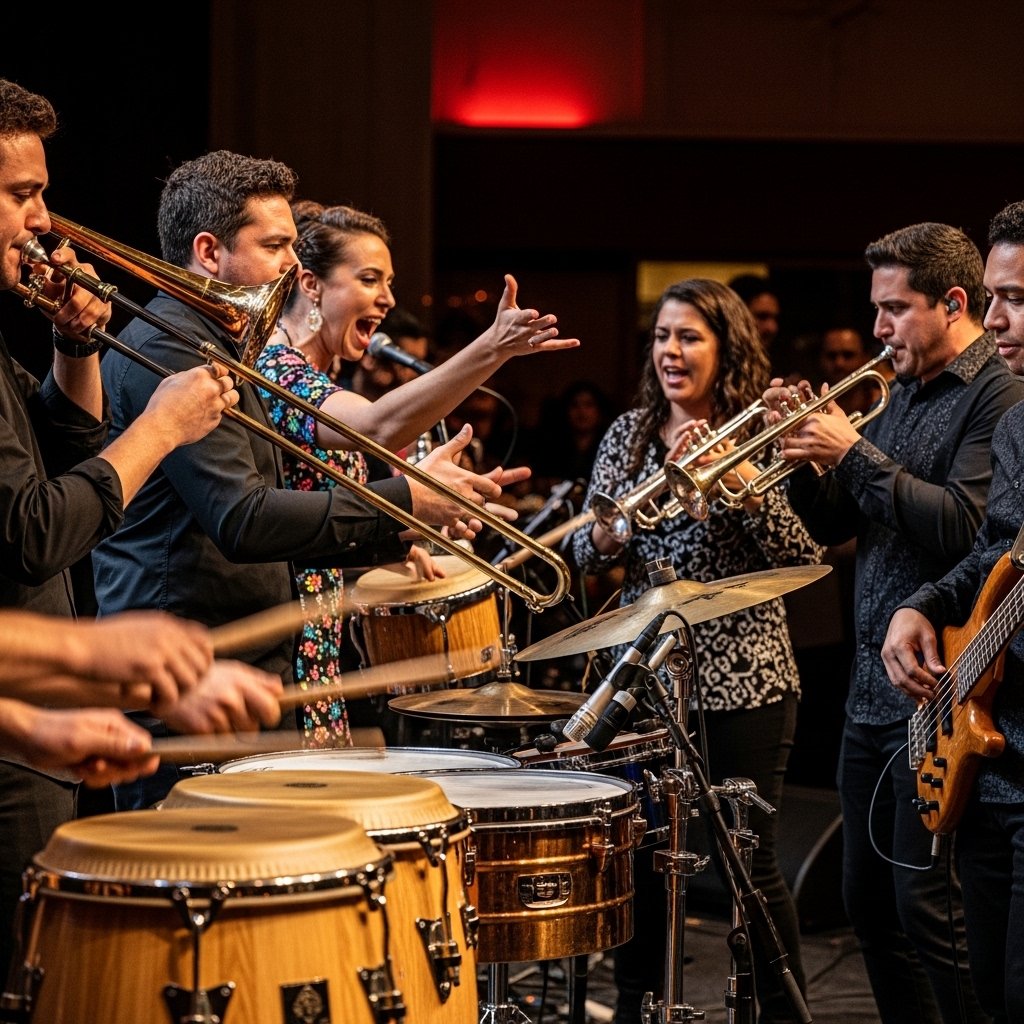
On any given weekend, salsa orchestras take center stage at Luna Latina, radiating energy that can be felt even before the first chord strikes. This article dives into how salsa orchestras shape the nightlife, define the rhythm, and build an unforgettable atmosphere in our beloved late-night bar and salsa lounge.
Unlike smaller combos or DJ sets, orchestras at Luna Latina offer a full-bodied sound, blending horns, percussion, piano, bass, and several vocalists—each adding depth to the music. The sheer presence of the orchestra delivers more than rhythm: it raises the stakes on the dance floor. Dancers catch the nuances, from the punch of the brass section to the rolling piano montunos. As a result, the connection between live music and dancer becomes charged with anticipation.
The role of salsa orchestras in the energy of the night
orchestras produce momentum that transforms the atmosphere, especially after midnight when the city grows quiet but Luna Latina quickens. The band’s leader often cues a change in intensity—a swift uptick that pulls more guests to their feet. For example, on Fridays, you might hear an orchestra interplay between classic “son montuno” grooves and modern timba, keeping the room engaged. Because live orchestras can adjust their delivery in real time, responding to dancers’ energy or a floor suddenly packed with seasoned salseros, every performance becomes unique.
Beyond the playlist: improvisation and spontaneity
One of the joys of orchestras is hearing familiar tunes take on new life. For instance, Luna Latina commonly hosts seven- or nine-piece groups known for slipping horn solos or call-and-response sections into well-known hits. These moments aren’t in any setlist. Instead, musicians watch each other—the pianist nods, the trumpeter steps forward, and the crowd responds with applause or a spontaneous rueda circle. That improvisational flair is what sets live salsa apart from studio recordings.
Distinguishing between salsa orchestras and smaller salsa ensembles
In contrast with trios or quartets, orchestras deliver both volume and complexity. It’s not just a question of decibels—the distinct timbre of three coordinated percussionists playing congas, bongos, and timbales creates a polyrhythmic canvas. Add brass, and you get the classic, joyful punch that makes feet tap involuntarily. For dancers who crave variety and power in each song, this is why orchestras remain the heartbeat of Luna Latina’s busiest nights.
The dance connection: why leaders and followers prize salsa orchestras
More experienced dancers will tell you: nothing compares to navigating a song performed live by a salsa orchestra. The slight speed-ups between chorus and verse, the playful breaks filled with hand percussion, and the unexpected accents all invite sharper listening and faster reflexes. At Luna Latina, regulars come for these moments; a new dancer may hesitate at first, but as the night wears on, it’s easy to surrender to the energy and fall right into the rhythm the orchestra lays down.
Live salsa orchestras and the art of setting the mood
The work of orchestras goes far beyond playing hits. In Luna Latina’s low, amber lighting, their crescendos signal not just a chorus, but changes in the room’s mood. For example, as “Llorarás” swells, servers slip between tables with another round, laughter cracks through from the back, and a novice gets pulled onto the floor for their first dance. In this setting, the orchestra acts both as soundtrack and as an unspoken host—intuitive, lively, and ready to adapt to every twist of the night.
Choosing the right salsa orchestra for your vibe
Luna Latina’s programming isn’t just about volume or fame. When selecting orchestras, the team considers factors like playlist diversity, improvisational skill, and the ability to read the crowd. Some nights call for more romantic classics, where violins and flute smoothen the mood; others demand high-octane salsa dura with a wall of horns. That variety—rotating both resident favorites and guest acts—keeps regulars returning. If you’re considering a night out, check Luna Latina’s calendar for details on the next featured orchestra.
Looking deeper: the roots and evolution of salsa orchestras
orchestras evolved from Cuban charanga bands and New York’s Latin big bands of the 1960s. Their influence remains strong in contemporary venues like Luna Latina, where guests can both hear and feel a lineage stretching from Havana’s Tropicana to the Bronx Palladium. For those curious about this musical history, Smithsonian Magazine offers insightful background without being stuffy or academic.
Practical tips: making the most of a salsa orchestra night
Arrive a little early to catch soundcheck—it’s one of the best chances to see musicians relax and joke among themselves. If you’re new, stand by the bar and watch how the regulars use musical cues to find dance partners or practice shines. Don’t worry about knowing every step; salsa orchestras are experts at drawing out everyone’s rhythm, whether in the center of the floor or along the edge, tapping your toe with a mojito in hand. Most importantly, respect the dancers’ space and the band’s requests: the night works best when everyone, staff included, is tuned to the orchestra’s beat.
Wrapping up: the lasting magic of at Luna Latina
Nothing lingers like the final number from a salsa orchestra, when everyone—bartenders, dancers, musicians—shares a moment of applause and recognition. As you leave Luna Latina in the early hours, the echoes of the trombones and congas stay with you well past the doorstep. If it’s your first time, you’ll understand why so many fall in love with nights powered by salsa orchestras.